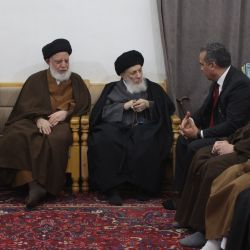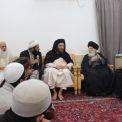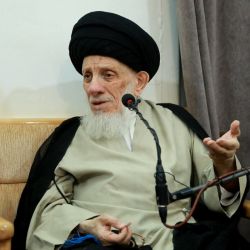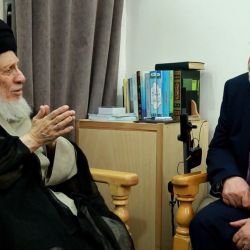
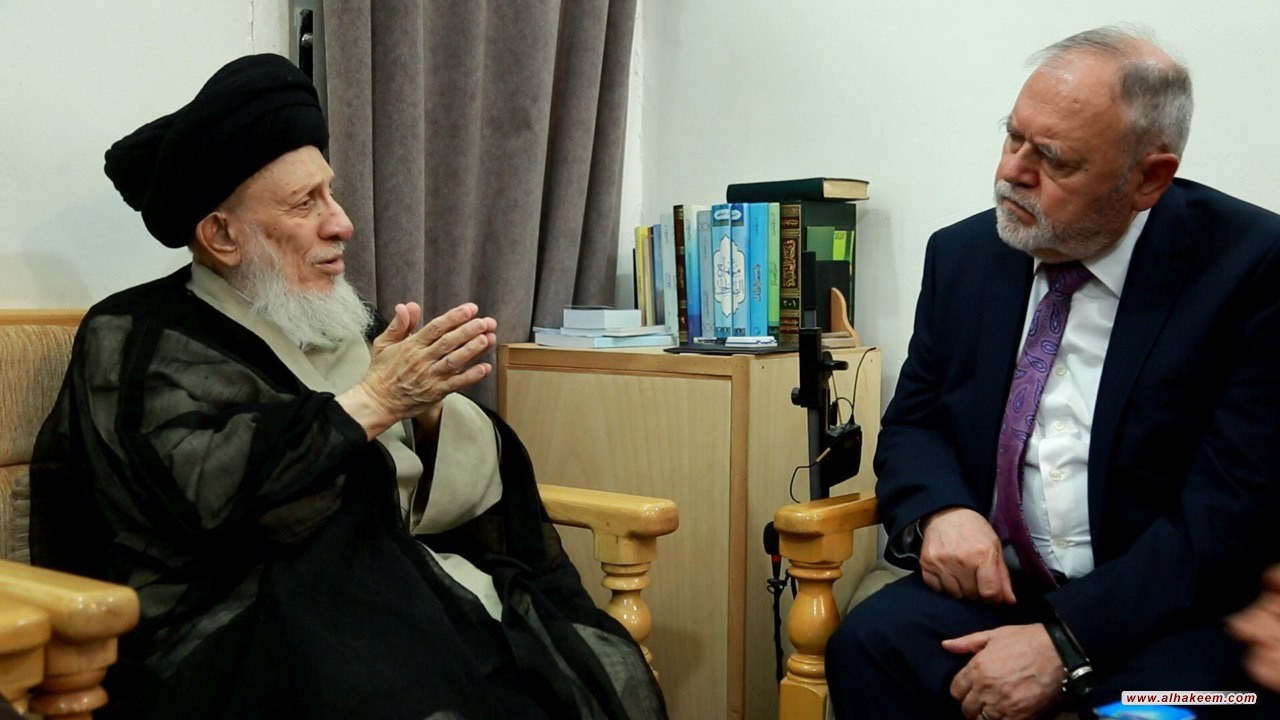
His Eminence, Al-Sayyid Al-Hakeem, receives the Romanian Ambassador in Iraq

His Eminence, Al-Sayyid Al-Hakeem, receives the Romanian Ambassador in Iraq
2019/07/02

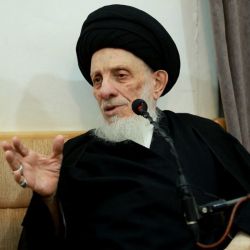
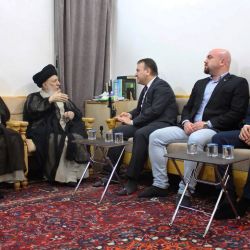
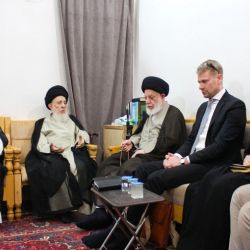
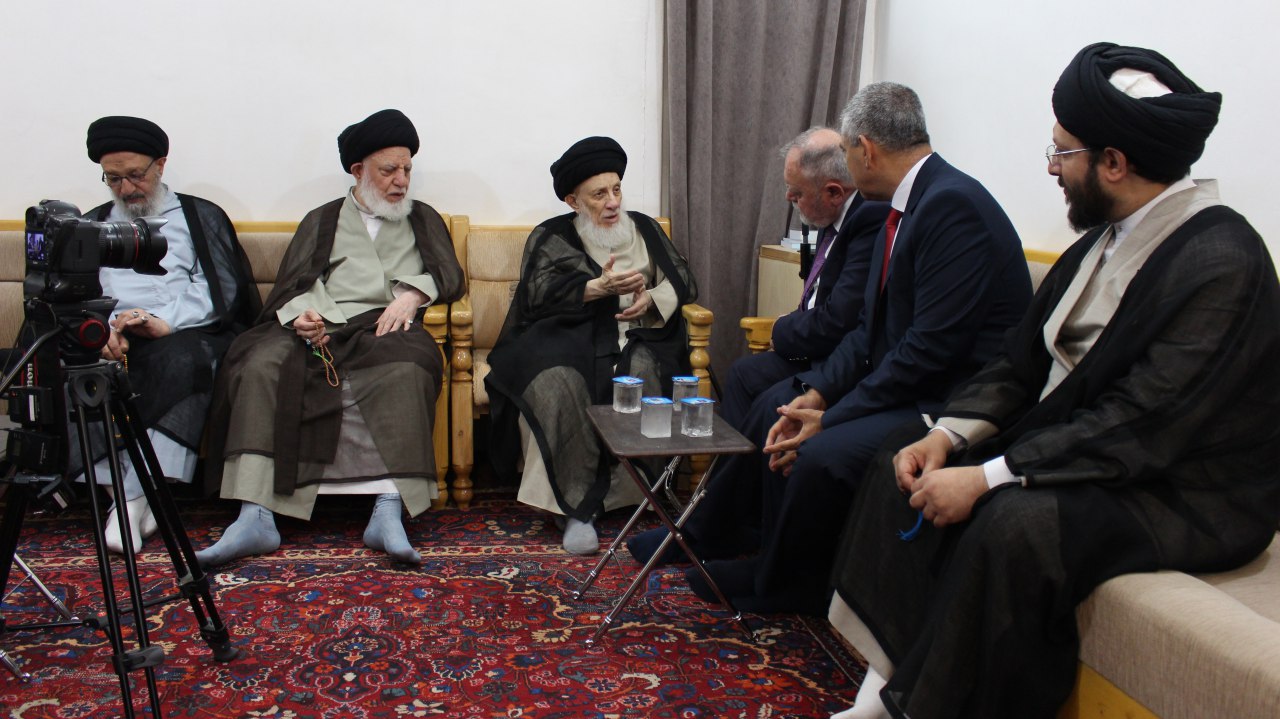
His Eminence, Grand Ayatollah Al-Sayyid Mohammed Saeed Al-Hakeem received the Ambassador of Romania in Baghdad, Mr. Iacob Prada, with his aides.

His Eminence advised on the importance of communication between communities, distant from political and personal motives, in order to embed great human values with societies, and to enable cooperation.

His Eminence also spoke of the role of Marji'iyyah and its complete independence, and its relationship with different levels of society.

The respected guest, Mr. Prada, expressed his gratitude in being able to visit Najaf and meet his Eminence, and he praised the fatherly role of Marji'iyyah for the Iraqi people and beyond.
Day Questions

If a Christian woman converts to Islam and her husband does not, how long is her iddah? What if they both convert to Islam together?

If the wife and the husband embraced Islam together, the marriage remains valid.If the wife embraced Islam before consummating the marriage but the husband did not, then the marriage contract is void. If she converted to Islam after consummating the marriage, then she should wait for the duration of the iddah. If the husband converts to Islam during the iddah period, then the marriage remains valid. If he did not convert at all, or he converted after the completion of the duration of iddah, then the marriage contract is void.The iddah in such a case is the same as the iddah of divorce, which is the period until she sees the beginning of her third menses.

Are there any situations in which Islam permits suicide?

Islam does not allow suicide in any situation.

If a couple in the West are not officially married and they have a child and they get married after a year, can their child lead prayers since they were together but just not officially?

If the parents were non-Muslims at the time of conceiving the child, and if the relationship between them was legitimately recognized by their religion, then the child is considered to be from a legitimate birth and can lead the prayers, if the relationship was not religiously recognized in their religion, then he cannot lead the prayers even after embracing Islam. If the parents were Muslims at the time of conceiving the child and the relationship was governed by a religiously-accepted marriage contract - even if it is verbal and not recognized by the state - then the child is recognized as their legitimate child and therefore he can lead the prayers, if there was no such religious contract, then the child is not from a legitimate birth and then cannot lead the prayers.