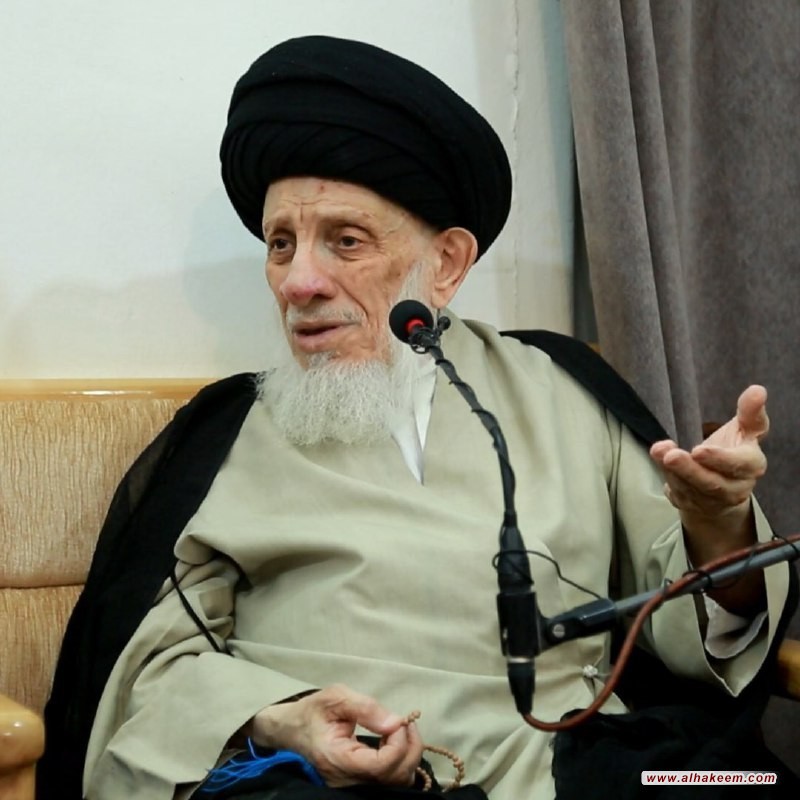
Grand Ayatollah Sayyid Mohammed Saeed al-Hakeem Praises the Sacrifices of the Female Freed Prisoners of the Shia Turkmen and Shabak, and Recommends Everyone to be Proud of them, honor them and Sympathize with them

Grand Ayatollah Sayyid Mohammed Saeed al-Hakeem Praises the Sacrifices of the Female Freed Prisoners of the Shia Turkmen and Shabak, and Recommends Everyone to be Proud of them, honor them and Sympathize with them
2019/08/17

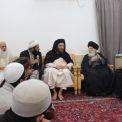
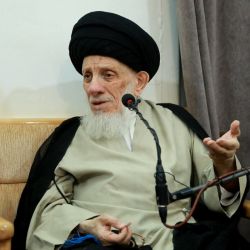
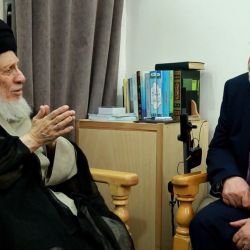
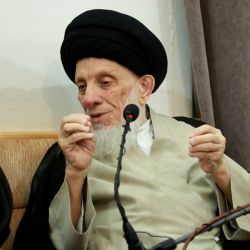
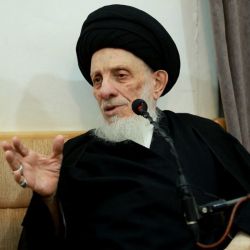
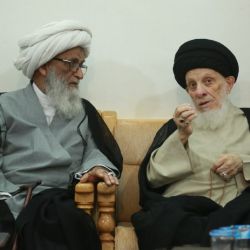
Grand Ayatollah Sayyid Mohammed Saeed al-Hakeem praised the sacrifices of the oppressed female freed prisoners of the Shiite Turkmen and Shabak, who were subjected to a great injustice, by the Dash criminals, who invaded the sanctities, sacred places and souls. His Eminence recommended all, especially believers, tribal chiefs and others to be proud of them and respected them, and honored them.

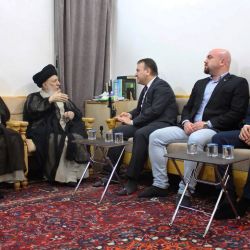
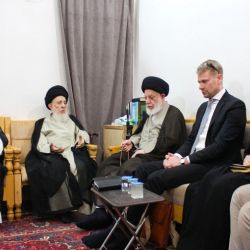
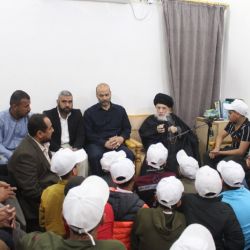
This took place during the reception of His Eminence to the female prisoners of the Shia Turkmen and Shabak, Tuesday, the 16th of July, 2019 who were freed from the hands of Dash criminal gangs.

His eminence, advised them to at the highest level of psychological comfort and since the oppressed should not consider injustice to be a disgrace to him. His eminence was pointing to the words of Imam Ali (peace be upon him): “a believer is not belittled when being oppressed.

At the end of the reception, His eminence asked the Almighty Allah to avenge them from their oppressors, and to compensate them with the best awards in this world and the hereafter.
Day Questions

I want to know what is the authenticity status of the advice of Imam Ali (peace be upon him) mentioned in Letter 31 in Nahjul Balagha? Some say that it is partially or completely unauthentic. What are your views regarding this?

The said letter is not different from the rest of the letters found in Nahjul Balagha. The doubt about the authenticity of the letter may come from the fact that this letter includes advises directed to Imam Hassan (peace be upon him) which raises the question about the need of the young Imam to such directions although he is infallible. Apparently, the said doubt is not valid since this way of presenting advice could be for the sake of reminding the person and repeatedly giving him the advice. The Quran used this way when Almighty Allah said: “And warn, for warning profits believers.” (51:55) Also, it could be indirect guidance to all Muslims by directing the advice to Imam Hassan (peace be upon him). This way is also mentioned in the Holy book as well. Almighty Allah said: “And cry not unto any other god along with Allah. There is no Allah save Him. Everything will perish save His countenance. His is the command, and unto Him ye will be brought back.” (28:88) In this verse God is addressing the Prophet with guidance, while it is abundantly clear that the Prophet would not worship anyone but Almighty Allah.

I have heard of a prayer called "Qadha-e-Umri" by which all the missed prayers can be made up. Is there any truth to this? If so, how is it performed and is there a particular day or time to offer this?

There is no such single prayer that removes the liability for all missed prayers. Therefore, every missed prayer needs to be made up as qadha individually.

Can you explain the meaning of this hadith in which the Imam (peace be upon him) said that Surah al-Feel and Surah Quraysh is one Surah?

You should consider the two mentioned chapters as one during the recitation of the prayers. If one recites Surah al-Feel, he should recite Surah Quraysh after it, including the Bismillah.